
Deciding to move forward with a tooth implant is a significant step, and knowing what happens at each stage can make the process feel far less uncertain. Many patients considering teeth implants want to understand the full timeline before committing to treatment, from the first consultation through the placement of the final restoration. This guide walks through the dental implant stages in order, explains what happens during each phase, and answers common questions patients ask along the way.
What Is a Dental Implant
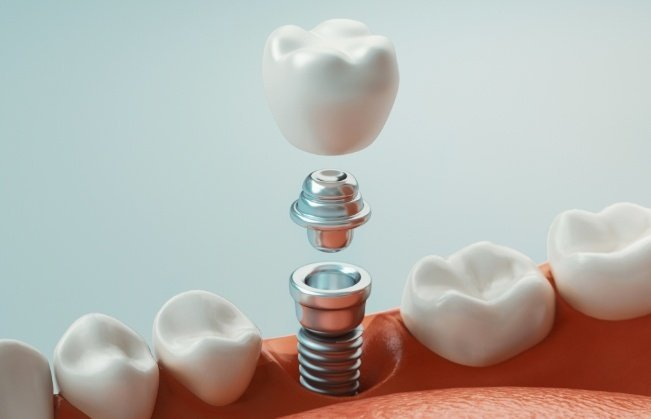
A tooth implant is a small titanium post that is surgically placed into the jawbone to act as an artificial tooth root. Once it has healed and fused with the bone, a crown, bridge, or denture can be attached to it. Unlike a removable denture, an implant is fixed in place, which allows it to function much like a natural tooth when eating and speaking.
Dental implants are commonly used to replace a single missing tooth, several teeth, or, in some cases, an entire arch. Because each patient’s mouth is different, the exact implant stages can vary slightly, but the overall structure of the process remains fairly consistent.
Why Understanding Implant Stages Matters
Teeth replacement is not a single appointment procedure. It involves planning, healing time, and multiple visits spread out over several months. Patients who understand the dental implant phases in advance tend to have more realistic expectations about recovery time, appointment frequency, and when they can expect their new teeth to be complete.
Knowing the stages of dental implants also helps patients prepare questions for their consultation, plan around work or family commitments, and budget for the treatment as a whole rather than being surprised by additional steps later in the process.
Stage One: Initial Consultation and Evaluation
The dental implants procedure always begins with a consultation. During this visit, the dentist reviews the patient’s dental and medical history, examines the mouth, and takes X-rays or a 3D scan to evaluate the jawbone.
What the Dentist Is Looking For
At this stage, the dentist is assessing several factors that will influence the treatment plan, including:
- The amount and density of available jawbone
- The health of the gums and any remaining teeth
- Whether any teeth need to be removed before implant placement
- Whether bone grafting will be needed to support the implant
- Any medical conditions that could affect healing, such as uncontrolled diabetes
This evaluation is one of the most important dental implant stages because it determines whether a patient is a good candidate for implants right away or whether additional preparation is needed first.
Discussing Treatment Options
Once the exam is complete, the dentist explains the recommended approach, including how many implants are needed, the expected timeline, and the estimated cost. Patients are encouraged to ask questions at this point, since a clear understanding of the plan makes the following stages easier to follow.
Stage Two: Preparatory Procedures
Not every patient is ready for implant placement immediately after their consultation. Some require preparatory work first.
Tooth Extraction
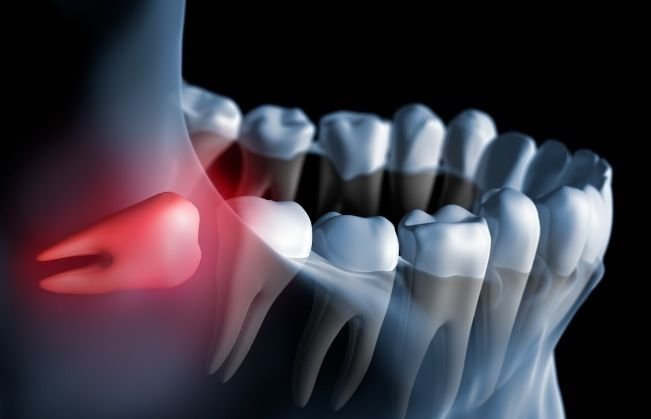
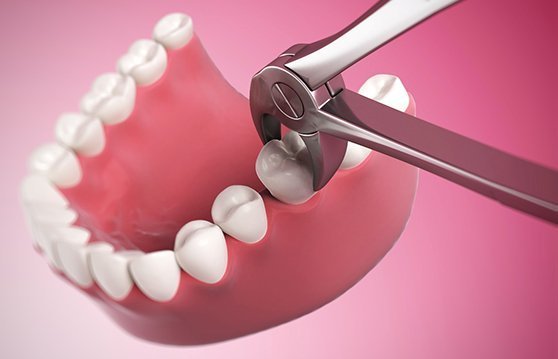
If a damaged or decayed tooth is still present, it usually needs to be removed before an implant can be placed in that area. In some cases, an implant can be placed on the same day as the extraction, while other situations call for a healing period first.
Bone Grafting
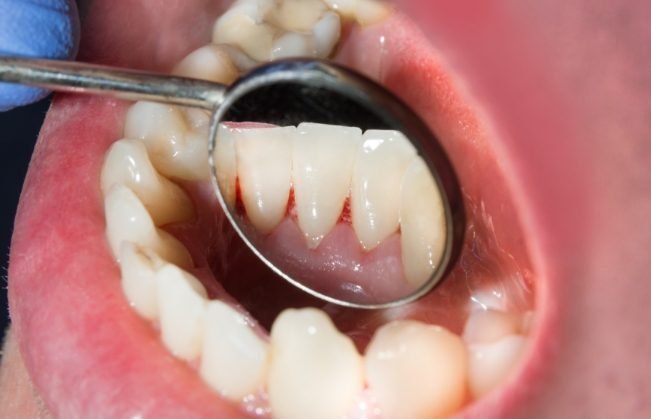
Patients who have experienced bone loss, often due to long term tooth loss or gum disease, may need a bone graft to build up enough bone to support an implant. Bone grafting adds healing time to the overall process, sometimes several months, but it is an important step for ensuring the implant has a stable foundation.
Not every patient needs this stage, and a thorough evaluation during the consultation helps identify whether it applies to a particular case.
Stage Three: Implant Placement Surgery
Once the jaw is ready, the next of the implant stages is the surgical placement of the titanium post. This is typically done under local anesthesia, and sedation options may be available for patients who feel anxious about the procedure.
What Happens During Placement
The dentist makes a small opening in the gum tissue and places the implant post directly into the jawbone. The gum is then closed around or over the implant, depending on the specific technique used. In some cases, a temporary tooth can be attached the same day, while in others, the implant is left to heal beneath the gum line.
Recovery After Surgery
Mild swelling, soreness, and slight bruising are common in the days following implant placement. Most patients manage this discomfort with over the counter or prescribed pain relief and return to normal activities within a few days, though strenuous activity is usually avoided for at least a week.
Stage Four: Osseointegration and Healing
This stage is often the longest part of the dental implant surgery process, though it does not require frequent office visits. During osseointegration, the jawbone gradually grows around the implant post, locking it firmly in place. For patients struggling with unstable or uncomfortable dentures, dental implants might be the fix, as they provide a secure foundation that functions much like natural tooth roots and helps support long-term oral health.
How Long Healing Takes
Osseointegration typically takes anywhere from two to six months, depending on the patient’s bone quality, overall health, and where in the mouth the implant was placed. Implants in the lower jaw often heal somewhat faster than those in the upper jaw due to differences in bone density.
Caring for the Implant Site During Healing
While the jawbone is healing, patients are advised to maintain good oral hygiene, avoid chewing directly on the implant site if a temporary restoration is not yet attached, and attend any follow up appointments scheduled by their dentist to monitor progress.
Stage Five: Placing the Abutment
Once osseointegration is confirmed, a small connector piece called an abutment is attached to the top of the implant post. In some cases, this is placed during the original surgery, while in others it requires a brief secondary procedure.
The abutment serves as the link between the implant post beneath the gum and the visible replacement tooth that will be placed on top. After the abutment is placed, the gum tissue is given a short period to heal around it before the final restoration is made.
Stage Six: Designing and Attaching the Final Restoration
The last of the dental implant phases involves creating and attaching the permanent replacement tooth.
Taking Impressions
The dentist takes impressions or digital scans of the mouth to design a crown, bridge, or denture that fits precisely and matches the surrounding teeth in color, size, and shape.
Fitting the Final Piece
Once the custom restoration is ready, it is attached to the abutment. The dentist checks the bite and makes adjustments as needed to ensure comfort and proper function. From this point forward, the implant should function much like a natural tooth, allowing patients to eat, speak, and smile with confidence.
Dental Implant Stages at a Glance
The table below summarizes the typical stages of dental implants and how long each one generally takes. Actual timelines vary based on individual circumstances.
| Stage | What Happens | Approximate Timeframe |
|---|---|---|
| Consultation and evaluation | Exam, X-rays, and treatment planning | One visit |
| Preparatory procedures | Tooth extraction and bone grafting if needed | Several weeks to a few months |
| Implant placement surgery | Titanium post surgically placed in the jawbone | One visit, with a few days of recovery |
| Osseointegration | Jawbone fuses with the implant post | Two to six months |
| Abutment placement | Connector piece attached to the implant | One visit, with brief gum healing |
| Final restoration | Custom crown, bridge, or denture attached | Two to three weeks for fabrication |
Factors That Can Affect the Timeline
Every patient’s experience with the dental implants procedure is a little different. Several factors can shorten or extend the overall timeline, including:
- Whether extractions or bone grafting are needed beforehand
- The number of implants being placed
- The patient’s natural healing rate and general health
- Whether the implant is being placed in the upper or lower jaw
- How closely the patient follows post-surgical care instructions
Patients who are curious about full arch treatment and how multiple implants work together may find it helpful to learn more about full mouth dental implants, which explain how the process differs when replacing an entire row of teeth rather than a single tooth. Understanding these treatment options can help patients make informed decisions about restoring their smile, improving oral function, and achieving long-term dental health.
Choosing a Dental Implant Clinic in Covington
Selecting the right provider matters at every stage of treatment, from the initial evaluation through the final restoration. When researching dental implants Covington WA, it helps to look for a dental implant clinic Covington patients trust for thorough planning, clear communication, and current imaging technology.
Complete Dental Care of Covington works with patients throughout each phase of the process, answering questions along the way and helping set realistic expectations from the very first visit. Whether you are exploring affordable dental implants or want to better understand what your specific treatment plan might involve, a consultation with a dentist Covington WA residents rely on is the best starting point.
Conclusion
The stages of dental implants involve careful planning, a surgical procedure, a healing period, and the placement of a custom final restoration. While the full process can take several months from start to finish, understanding what happens at each step helps patients feel more prepared and confident moving forward. Complete Dental Care of Covington is here to guide you through every stage of your treatment, from your first consultation to the day you receive your new teeth. Contact us today to schedule a consultation and take the first step toward restoring your smile.
Frequently Asked Questions
1. How many appointments does the dental implant process require?
The number of appointments varies by patient, but most people can expect at least three to five visits, including the consultation, implant placement, abutment placement, and final restoration fitting. Additional visits may be needed for extractions, bone grafting, or follow up checks.
2. Is the dental implant surgery painful?
The procedure itself is performed under local anesthesia, so patients typically do not feel pain during placement. Some soreness and swelling are common for a few days afterward and are usually managed with standard pain relief.
3. How long does the entire process take from start to finish?
Depending on individual factors such as bone health and whether preparatory procedures are needed, the full timeline can range from about three months to a year. Straightforward cases without grafting tend to move through the stages more quickly.
4. Can I eat normally during the healing period?
During the early healing stage, softer foods are generally recommended to avoid putting pressure on the implant site. As healing progresses and a temporary or final restoration is in place, most patients gradually return to their normal diet.
5. What happens if the implant does not fuse properly with the bone?
While uncommon, osseointegration can occasionally fail. If this happens, the dentist will evaluate the site, address any underlying issue, and discuss options for a second attempt once the area has healed.
6. Are dental implants a good option for replacing multiple missing teeth?
Yes, implants can support individual crowns, a bridge, or a full arch restoration depending on how many teeth need to be replaced. A consultation helps determine the most suitable approach for your specific situation.